Protocol of reciprocal care
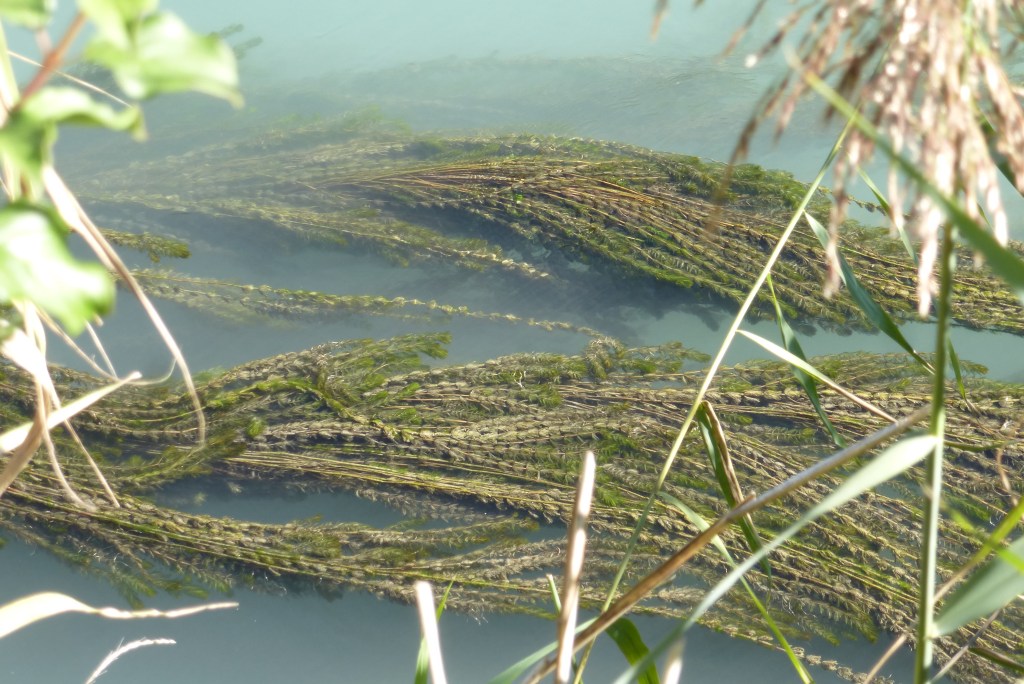
It is an ongoing systemic protocol with initial roots in the restorative justice proposal by Brunilda Pali (2021). Yet it is a protocol that is in motion, changing and adapting to the waters and the people we collaborate with, exchange and learn from. The protocol is interweaving the spectrum of knowledges within our transdisciplinary group like a river flowing through an ecosystem of rights of nature, a tender moss of ecological grief, the rhizomatics of sensory scores and eco scenography, the traveling wind of sonic research and the kindred spirit of ancestral cosmology.
Walking-with
Walking-with are our site-responsive artistic walks with the river. Walking-with is an act of accountability, a gesture of solidarity, a moment for unlearning and reconciling with the river. A moving narrative that activates deep sensing scores (listening and attuning), conversational circles (exchange of water memories, river stories, harms and ecological grief), storytelling and speculative ecologies (fabulating forms of care). While walking-with, we become witnessing bodies, giving and receiving care, learning with the beings how to become stewards of the river.
River Vessel
When we first meet the river, we greet and collect its water in a clay vessel that we carry collectively during the whole walk. This water becomes a mediator between us and the river, giving us a sense of presence, reciprocity and responsibility. We also use the vessel in our conversations as a talking piece that carries our intentions for the river, humbleness, concerns, sorrows, and hopes. At the end of each walk the destination of the water and the vessel is decided collectively by the group. In some cases it is buried, while in others one member of the group keeps it as a way of continuing the process.
Mourning-with clay
We work with bodies of clay as a river membrane to bind wetness and texture to our thinking. While moving muddy waters in our hands we allow emotive thinking and open a space for humbleness and collective transformation flowing through each other’s hands. Clay is plasticity and a connecting tissue that is used as water purification because it absorbs contaminants, the same way as we restore our ancestral memories of water bodies that we have lost we also bring back our attention to our relationships with river.
Weaving-with
Weaving is often associated as an artistic expression of resistance and care. When we are walking-with, we gather and explore weaving to question existing forms of organizing knowledge, governance and care. While weaving we are humble, we fabulate storytelling and bonds of solidarity with each other’s losses, while weaving we recognize river harms and open a dialogue for reflection, imagination and alliances between people.
River Loom
The “river loom” is a physical binding that gives space and place for other types of proof that are not the harm but instead it is the people’s reciprocity. Our “river loom” weaves what is not written in the law, to deconstruct the concept of harm and justice by reweaving new patterns for river governance and care. Weaving with the “river loom”, is a transformative gathering of evidence through sensorial impressions, memories, harms, species and found “traces”.
Sensorial cartography
We approach cartography as a way to imagine a situated map of river relations. We map by collecting impressions, sensations, memories or things that speak to personal relationships with the river. By sharing and narrating these maps we create a place to read the river storyline, and a testimony of our encounters and walks, and stories shared during our rituals with the people and species around the river banks. The sensorial cartography feeds the creation of the Living Bill as a way to represent SZenne in parliament.
Living Law
The concept of Living Law is a research in the making, an attempt to write a River Law rooted in interbeing and embodied relationship / co-share stewardship with the beings of the river/ include and gather the stories of loss, a song of a bird, a personal memory, a reflection of light or a trace of garbage. This collection of meaningful things and stories is woven into an preamble that then serves as a proof of evidence of our relationship with the river and legitimacy as allies through which we can call for its legal recognition in the Belgian constitution.
River Agora’s
These are gatherings organised along rivers, to allow moments of exchange between the many river guardians, allies and species. It is a communal moment to weave tools of river governance and care to grow alliances between those we have met along the river.
Site-sensitve
Like ecology, ecoscenography is concerned with inter-relationships, the relation between rivers, light, sound, bodies, and the senses. Thinking of a river as our space of intervention means integrating an awareness that no decision stands on its own: our dramaturgy, process, scores, circles, rituals, and river agoras are intertwined with people, river ecosystem, and also with the juridical consequences and traces that can have long term effects. It entails incorporating principles of ecology to create upcycling, circular, and restorative actions with rivers, acknowledging that materiality and environments are interdependent. We want to leave traces, continue the work, and possibly germinate new relationships or connections.
 naturalcontractlab.com