We are becoming the waters we are walking-with
Rhone river ( 2022 – 2023)
Research field notes:
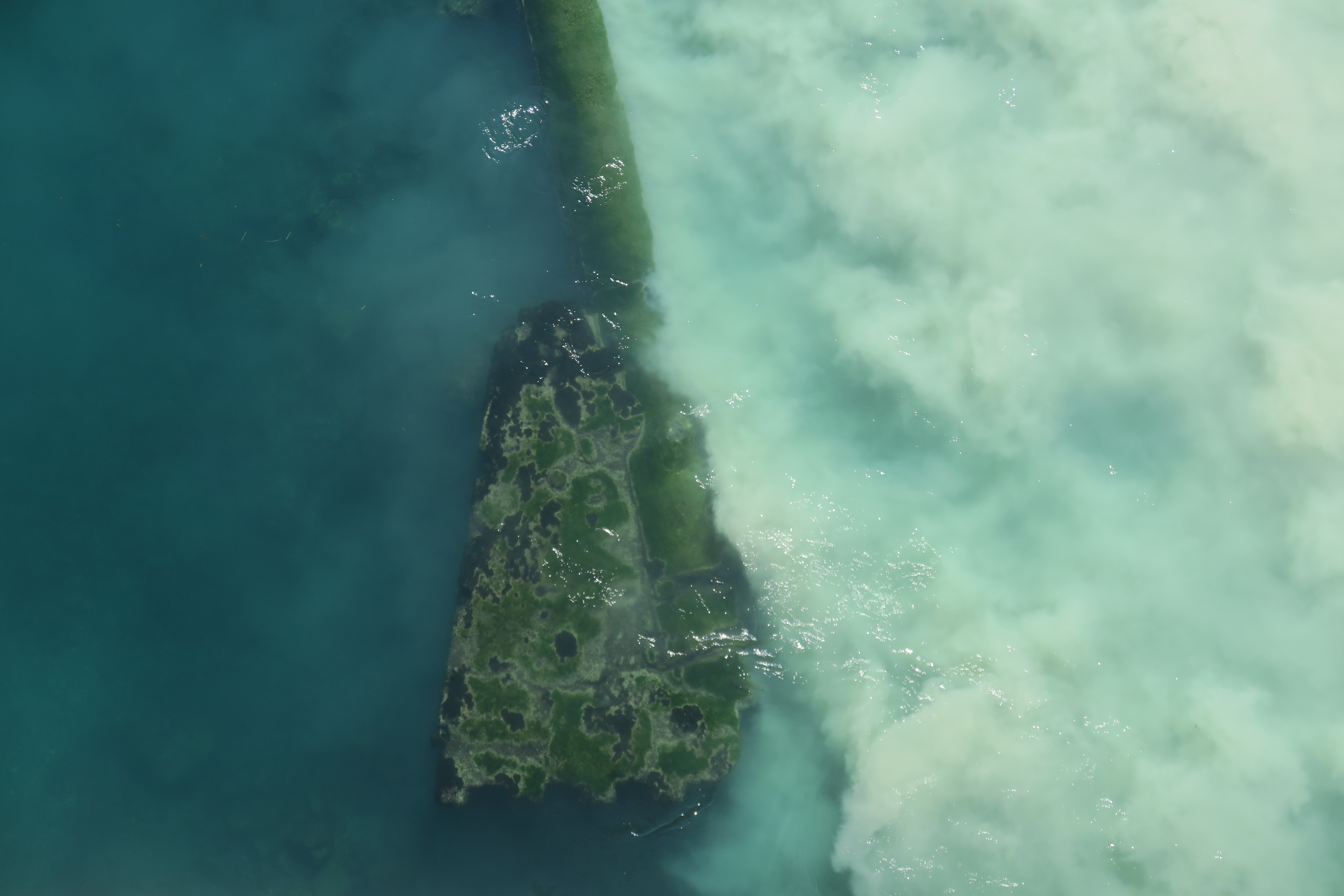
The first encounter with Rhone river was a dive into its crystal clear waters and the feeling of its currents, movement, materiality, smell. With a gaze and a moment of reflection, the first words were “Who are you?”, “What can we learn from you?, and “What can we offer to a river which has everything?”
When we start a relation with a new river, is almost like a ceremony, a vehicle of belonging that reminds us of our responsibility towards bodies of water as our kin. As activators, we ensure that these principles are felt by others, installing a sense of urgency, responsibility and accountability. We try to map the existent political bodies that are already on the ground working with the river.
While spending time with Rhone, we’ve met river voices that told us about the wounded source of this river and the urgency of the glacier melting. Somehow the relationship seems distant from its source, yet its untamed life force tell us stories of grief, suicide and death. It’s injuries seem to be invisible and we try to learn more about its history through the corrections, water ownership, land use and laws.
in collaboration with least [laboratory of ecology and art for a society in transition]
RIO TEJO ( 2021-2022)
Research field notes:
Where does a river start and end? And how can we rise and defend the many rivers we have lost?
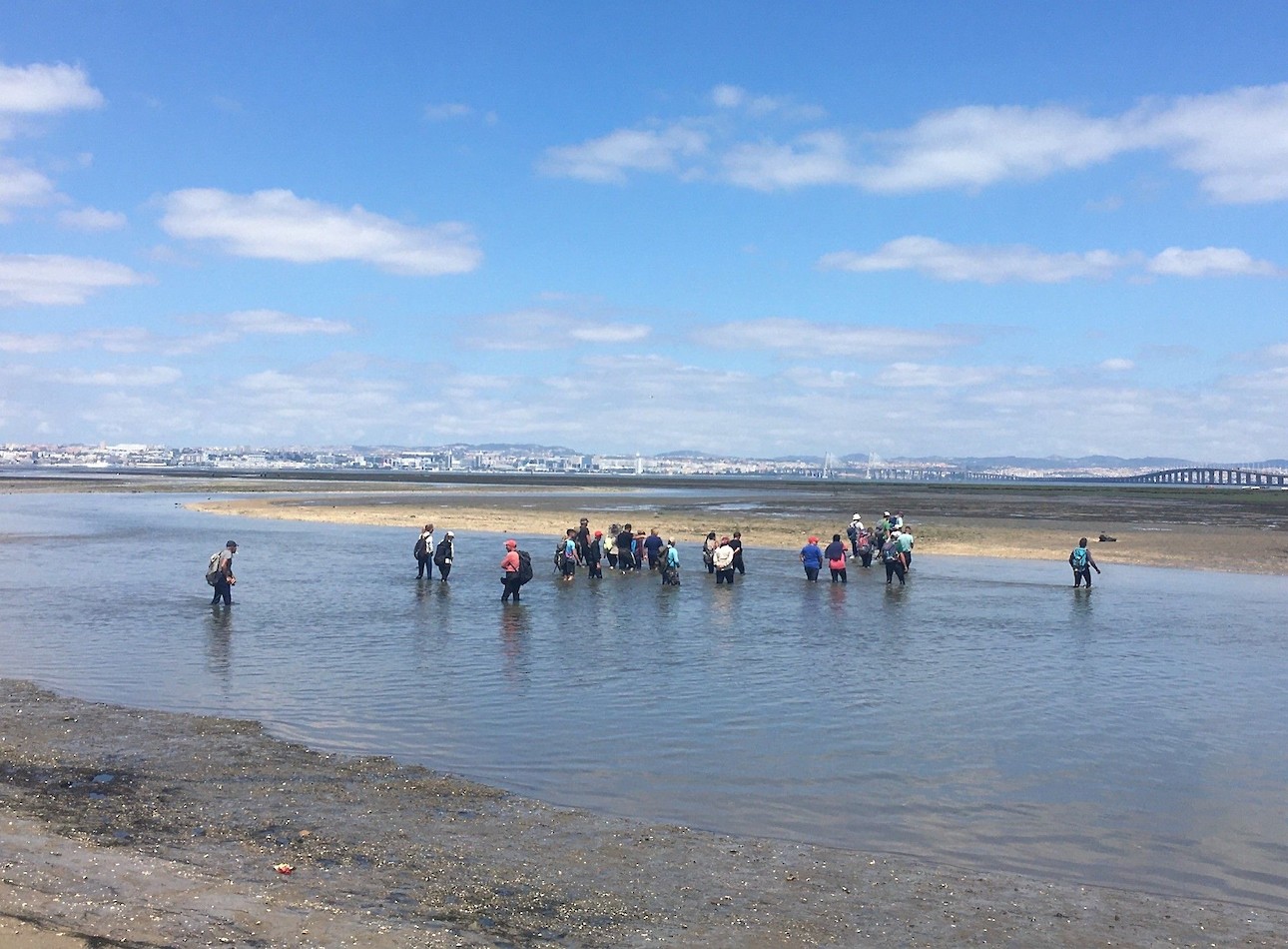
We study the riverine infrastructural landscape from the perspective of people on the ground, mapping the entities involved in the hydrological cycle, and how it has been altered by industrial metabolism and forms of communal dispossession. We do this by using walking as a methodology and exploring various sensing practices, listening exercises, as well as conducting interviews. Studying closely various bodies of water in contact with local communities, artists, lawyers and activists, we debate the viability of river rights and other juridical forms, learning from the context of particular conflicts at sight. We then enter into a deep process of dealing with climate grief, through applying tools of restorative justice and communal healing.
In collaboration with Alkantara and with the support of Calouste Gulbenkian Foundation and Alcochete Municipality
Sebkhet Sejoumi ( 2021-2023)
Research field notes:
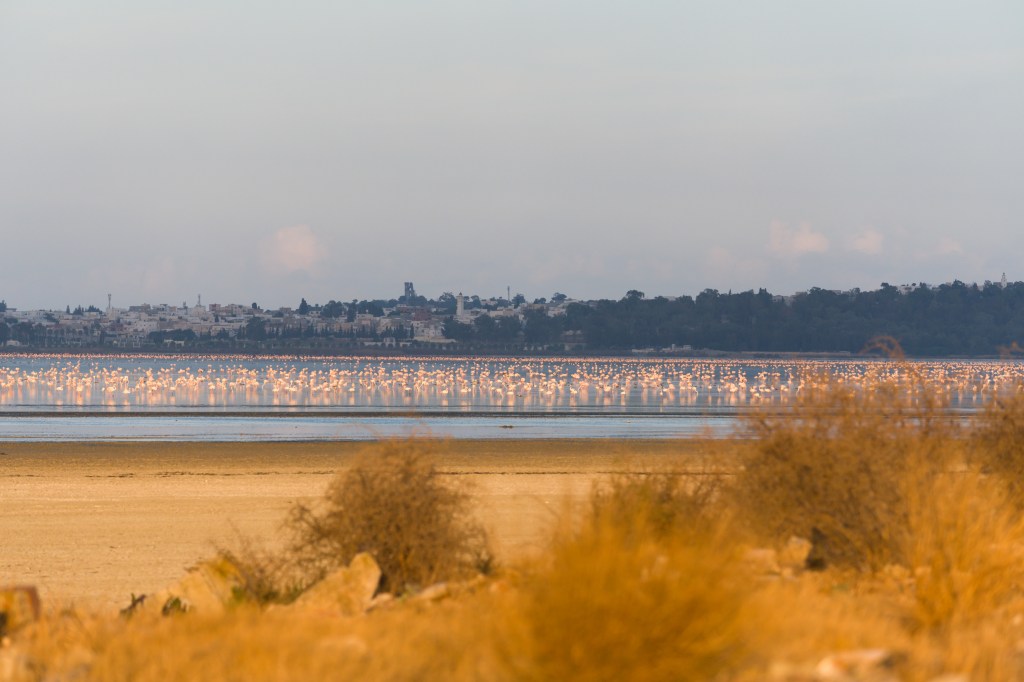
We are walking on the shelter for migrating flamingos, hearing voices of hybrid species and queering waters, fuzzy waters and flamingos
touching stones that held ancient knowings
listening to the fuzzy waters voiced by militancy, resistance and incapability of changing. Mud, waste, trash, swampy, salt, species inequality,
anarchic housing, dumping sites next to hospitals
Drought spreading and persisting through out the country. A journalist told us the other day ” either you burn yourself on fire or no one will hear you”
Water sources are disrupted with mining
communities fighting for a healthy environment, many known yet many unknown. Listening to Salicornia, a succulent being able to reduce pollution and increase water flow. Listening to Quinoa, that neutralizes salinization on the super dry lands, listening to footsteps, my ears to the ground asking as we walk. Listening to the water and fishes infiltrated by micro-plastics, listening to the resilient plants striving to survive any kind of weather condition. Listening to the plastic bags flying in the wind and nesting in the trees.
In collaboration with Dream City Festival, L’art Rue / supported by BEPART and Calouste Gulbenkian Foundation
Rhone river ( 2022 – 2023)
What are the harms you gather on the river?
Small stone harmed by the sun
Absence of fish
The tide is no longer the same
The building of the Barrage
Pools
River not dead, but not in a good health
Noise from planes, train and buses
The colour
Urbanisation
Garbage in and around the water
Plastics, micro plastics
Fences that are too close to the Rhone
Proximity
Cigarettes
Rhone river ( 2022 – 2023)
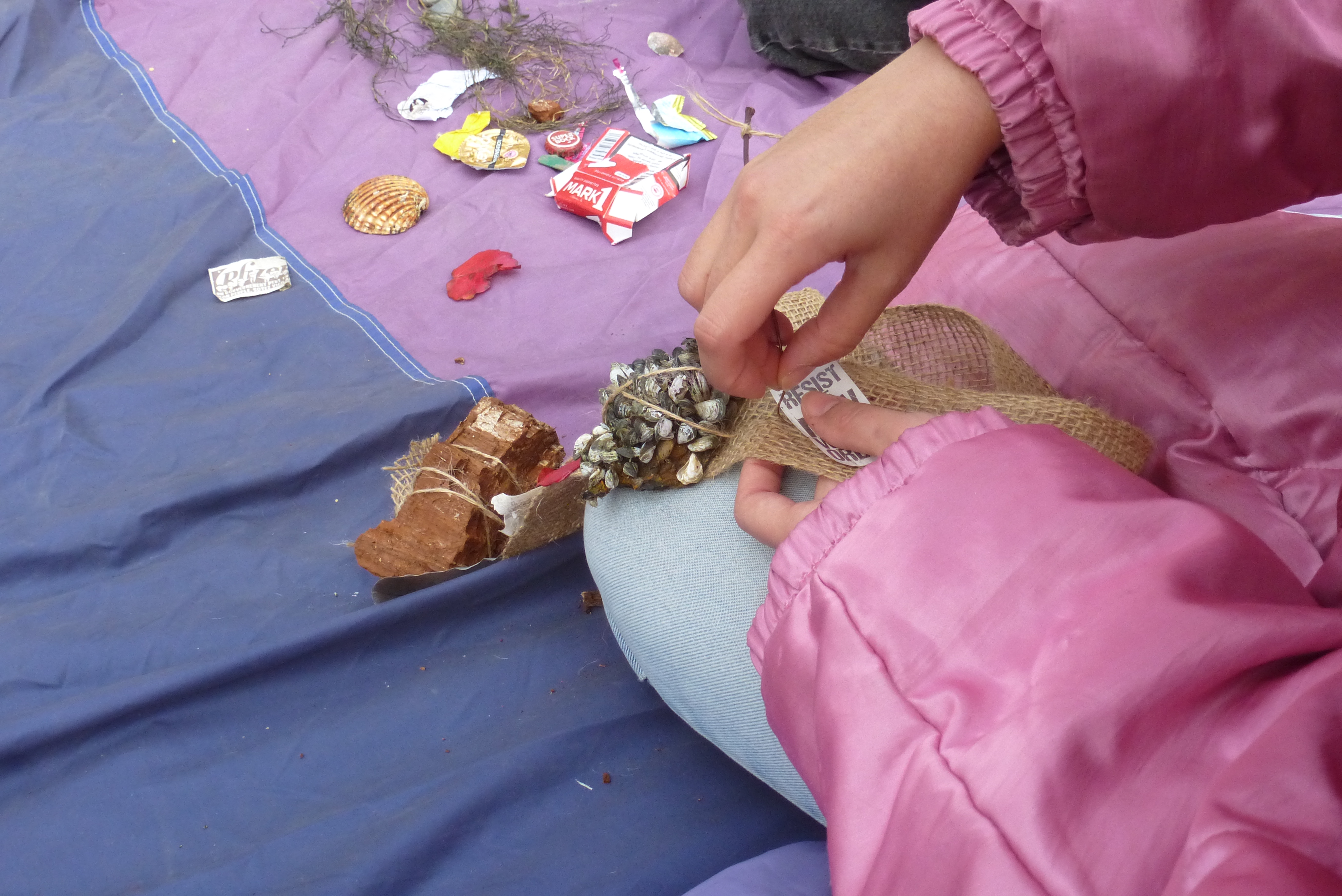
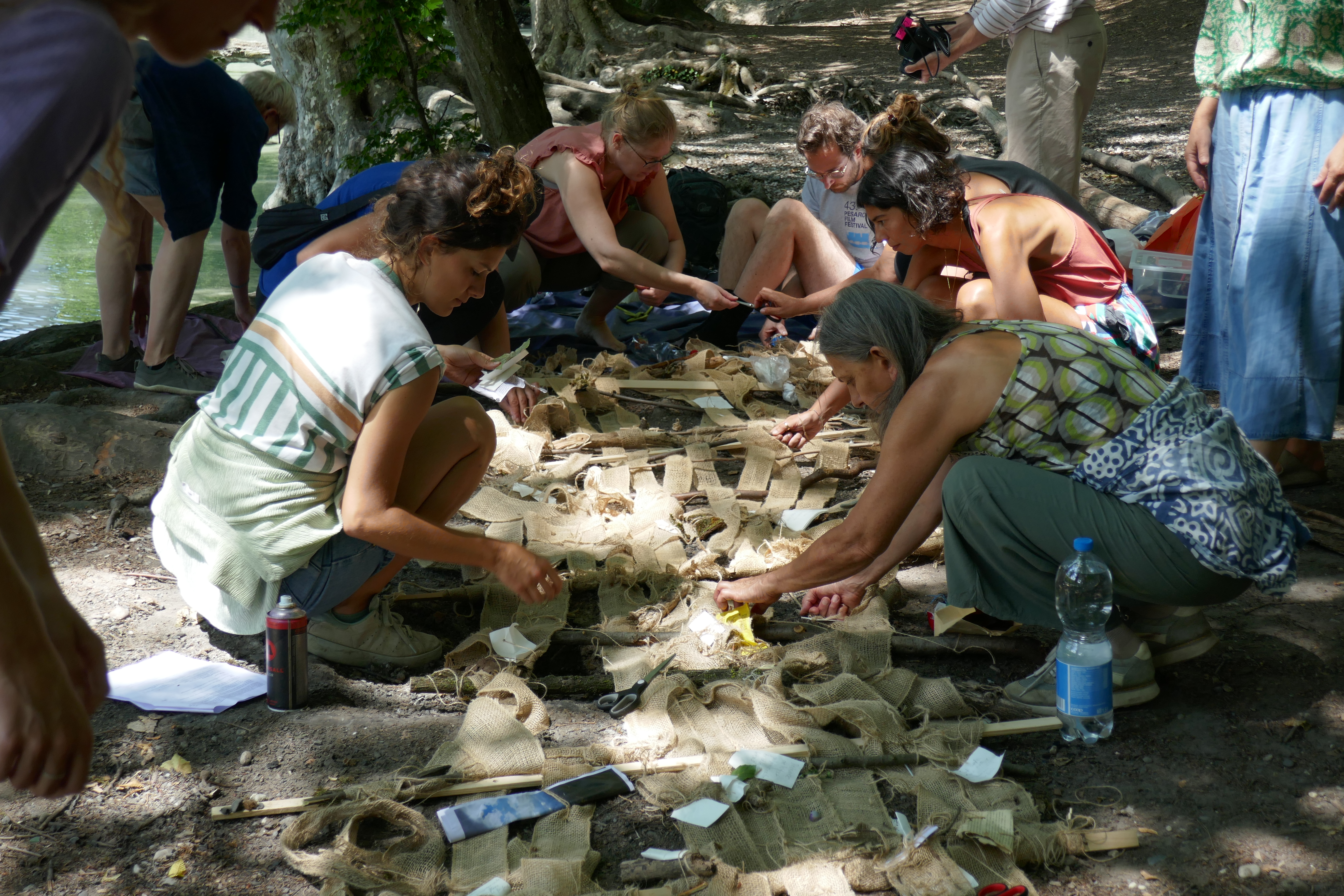
With the Rhone river, we have discover a new approach to cartography in our practice, as an experiment to archive the intangible, the things that are not graspable. Together with other Rhone allies, we gather memories, stories or things that speak to our personal relationship with the river. And while weaving these, we fabulate a “sensorial cartography” as witnesses of a river storyline that can represent the care for the river in a legal form.
Rhone river ( 2022 – 2023)
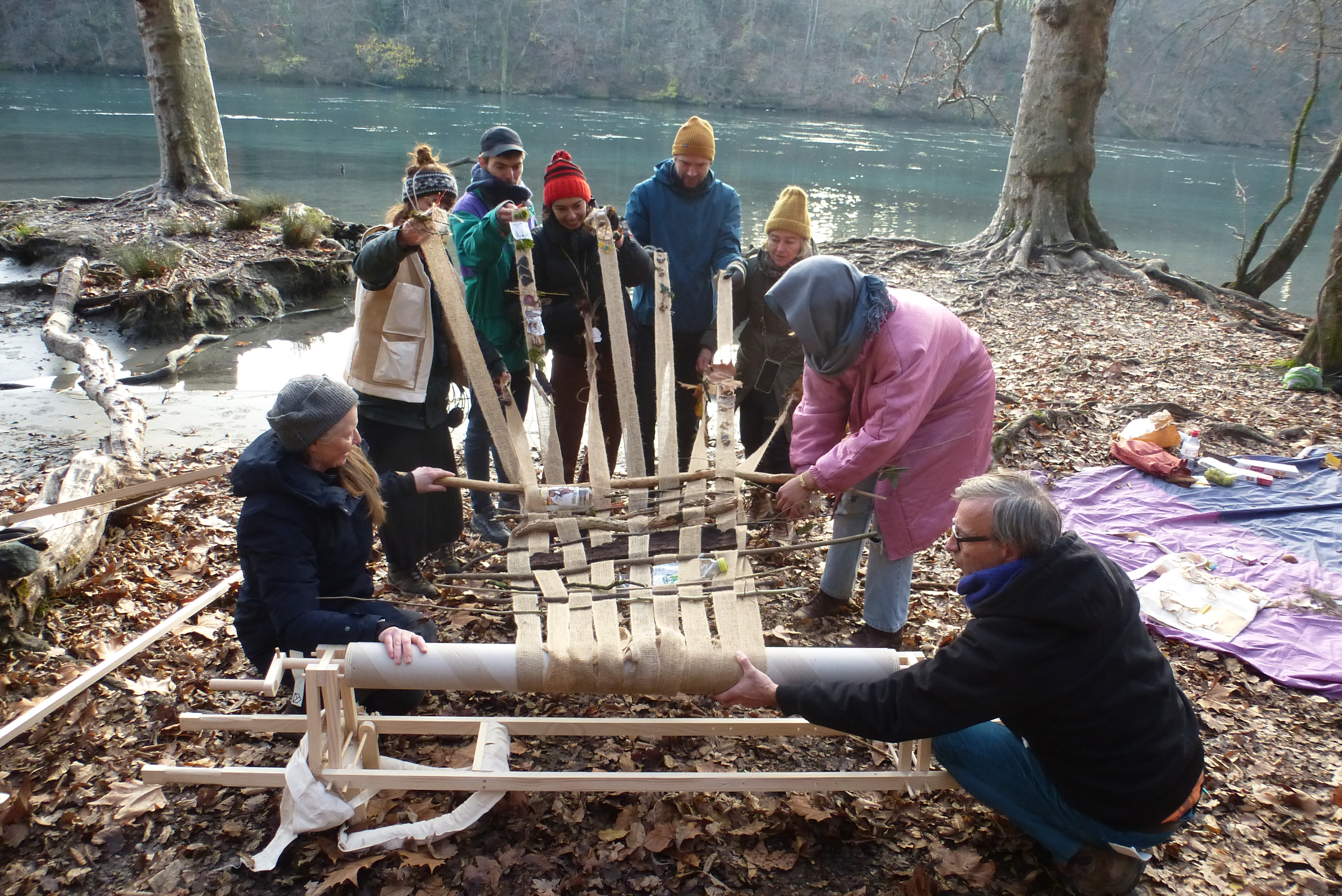
How do we organize stories, memories and things as a process to deconstruct the existent systems of governance for a river?
Rhone river ( 2022 – 2023)
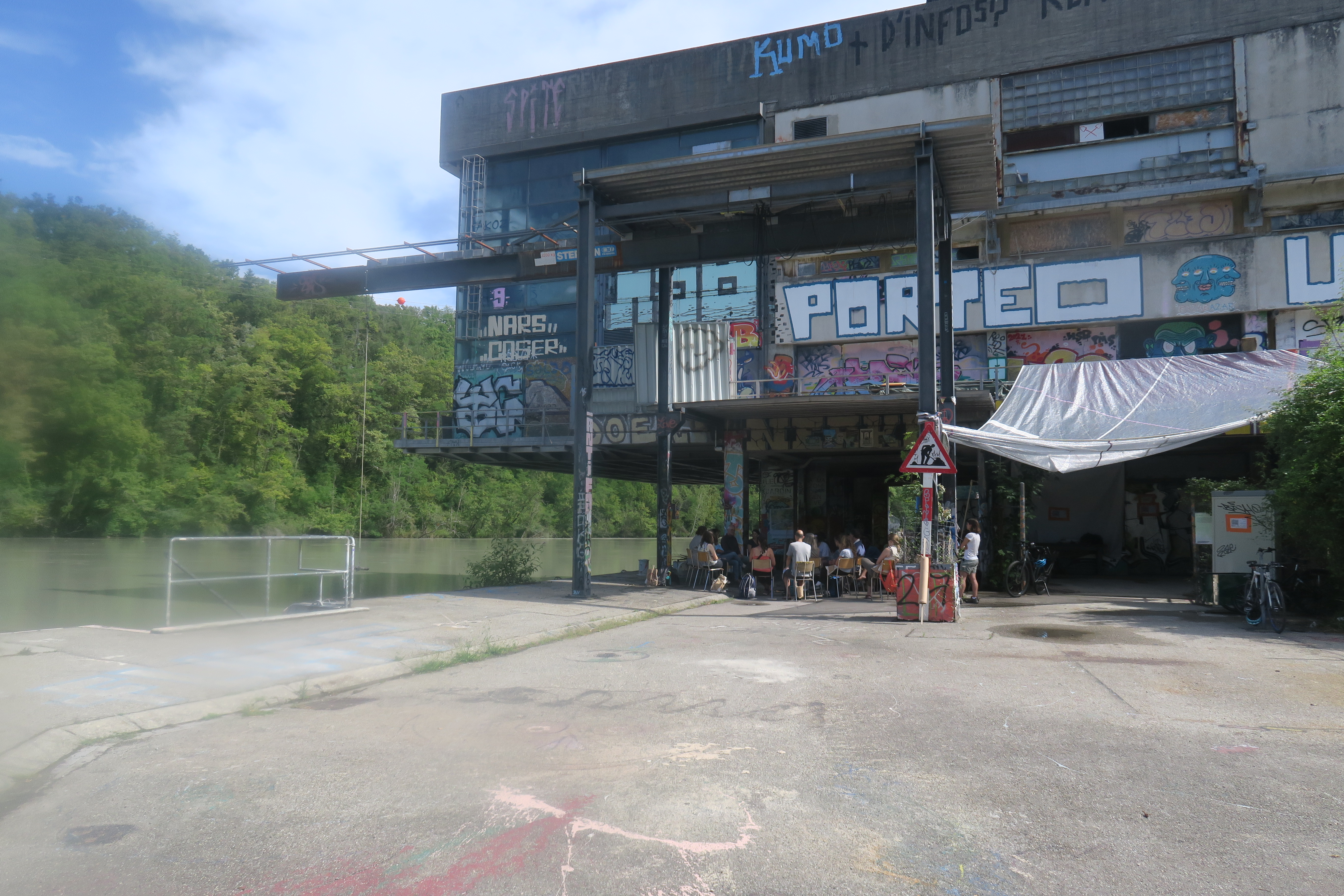
Do we take care of the river or does the river take care of us? Who decides for river governance and does the river want to be governed? River Agora at Porteus, where we heard stories from the Rhône guardians, and weave new alliances. With the support of id-eau who helped us finding river guardians from Rhone glacier to France, we will hear the stories of Floriane Facchini, Felix Küchler, Laurence Piaget-Dubuis, Emma-Louise Lavigne, Gilles Mulhauser, Loan Gyax.
Rhone river ( 2022 – 2023)
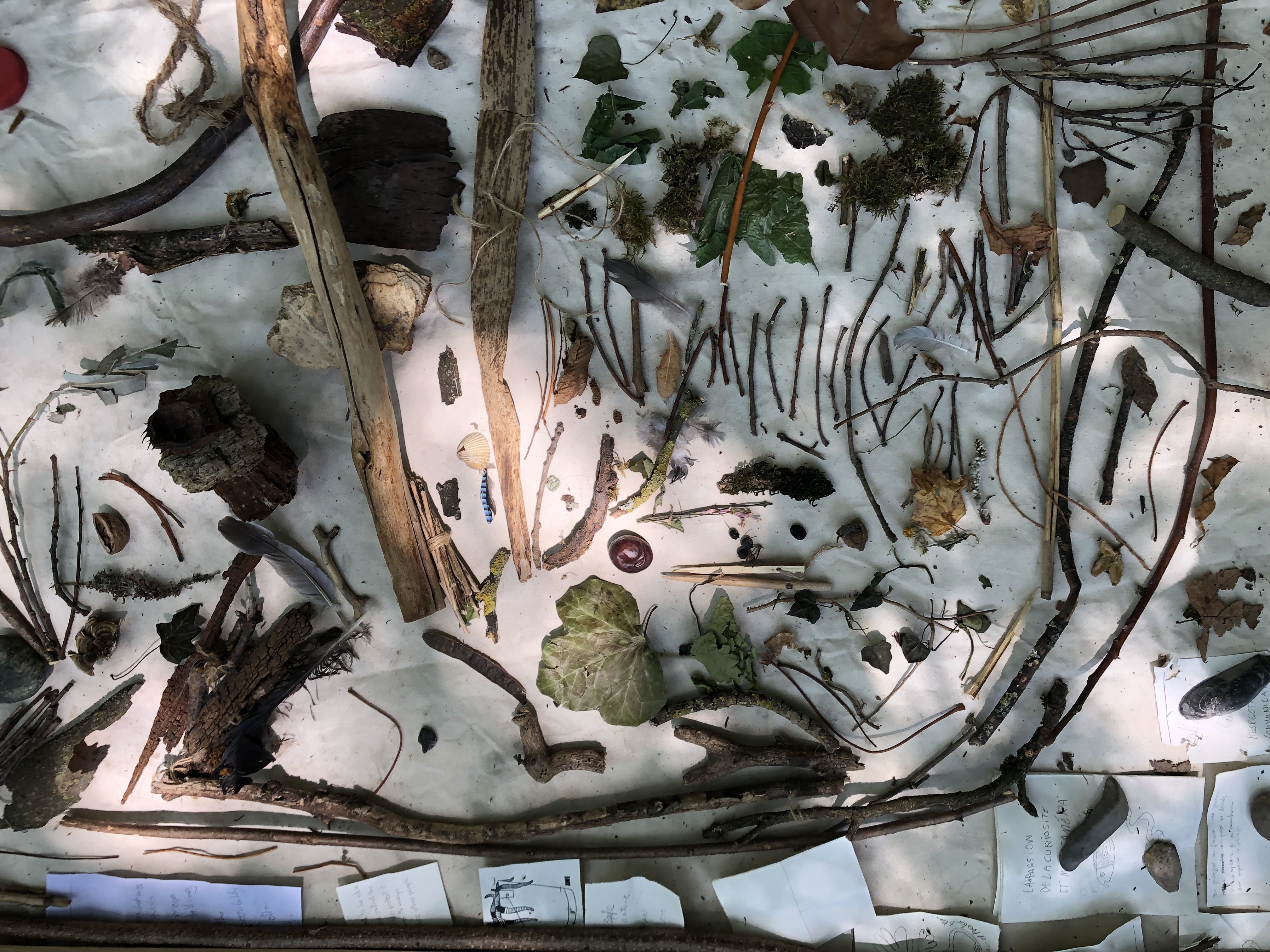
In this sensorial cartography we acknowledge the people and species of Rhone including dogs, trees, earthworms, periwinkles, clams, cormorants, great chickadees, blue chickadees, woodpeckers, red squirrels, wood pigeon, green collar, common buzzard, wood duck, catfish, pike, bleak, beavers (someone found some gnawed wood), swans, herons… spider, dandelion, milan noir, fish, trees, moss, stones, swans… are here with kin bound by this act to the Rhone river.
RIO TEJO ( 2021-2022)
Research field notes:
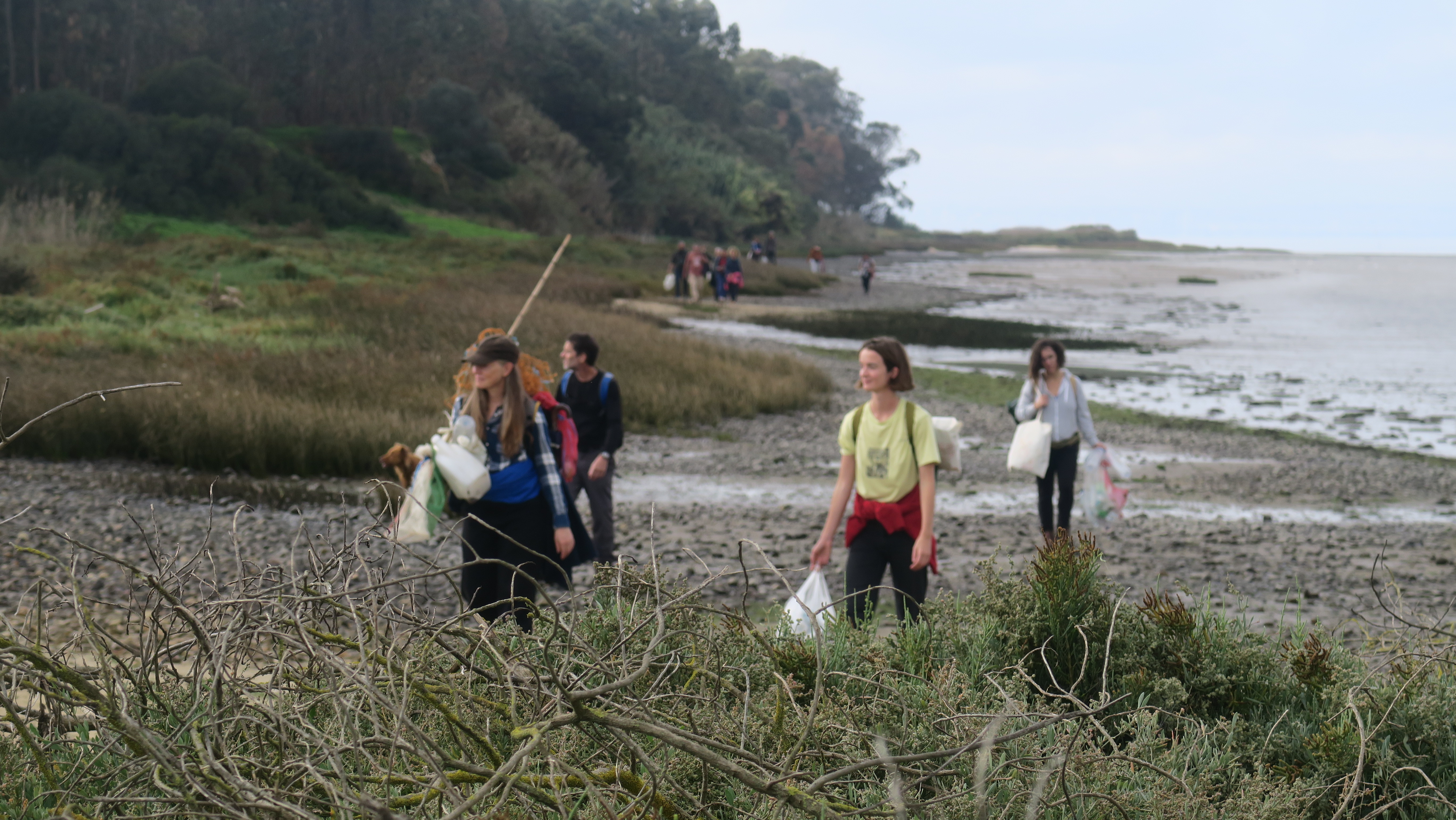
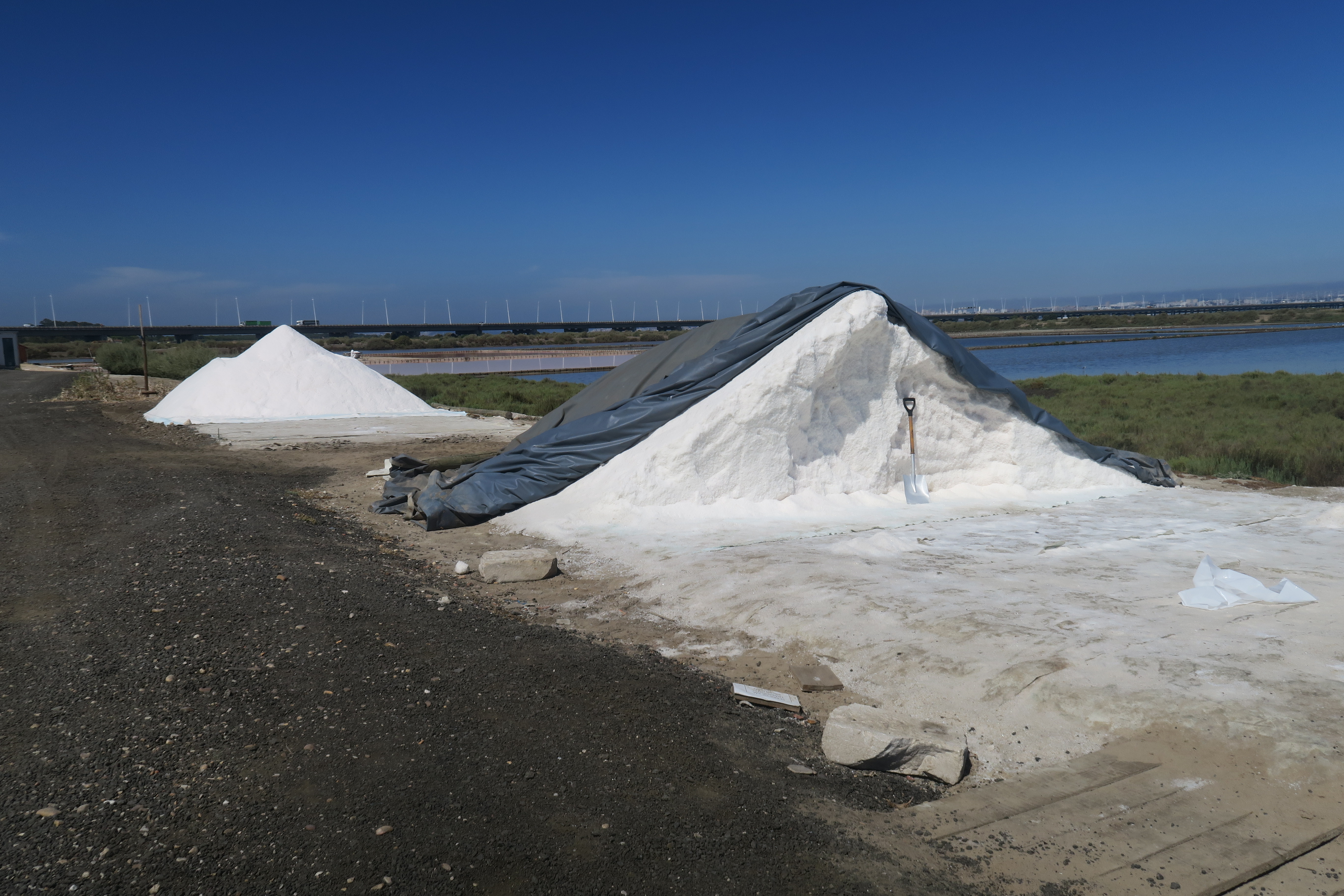
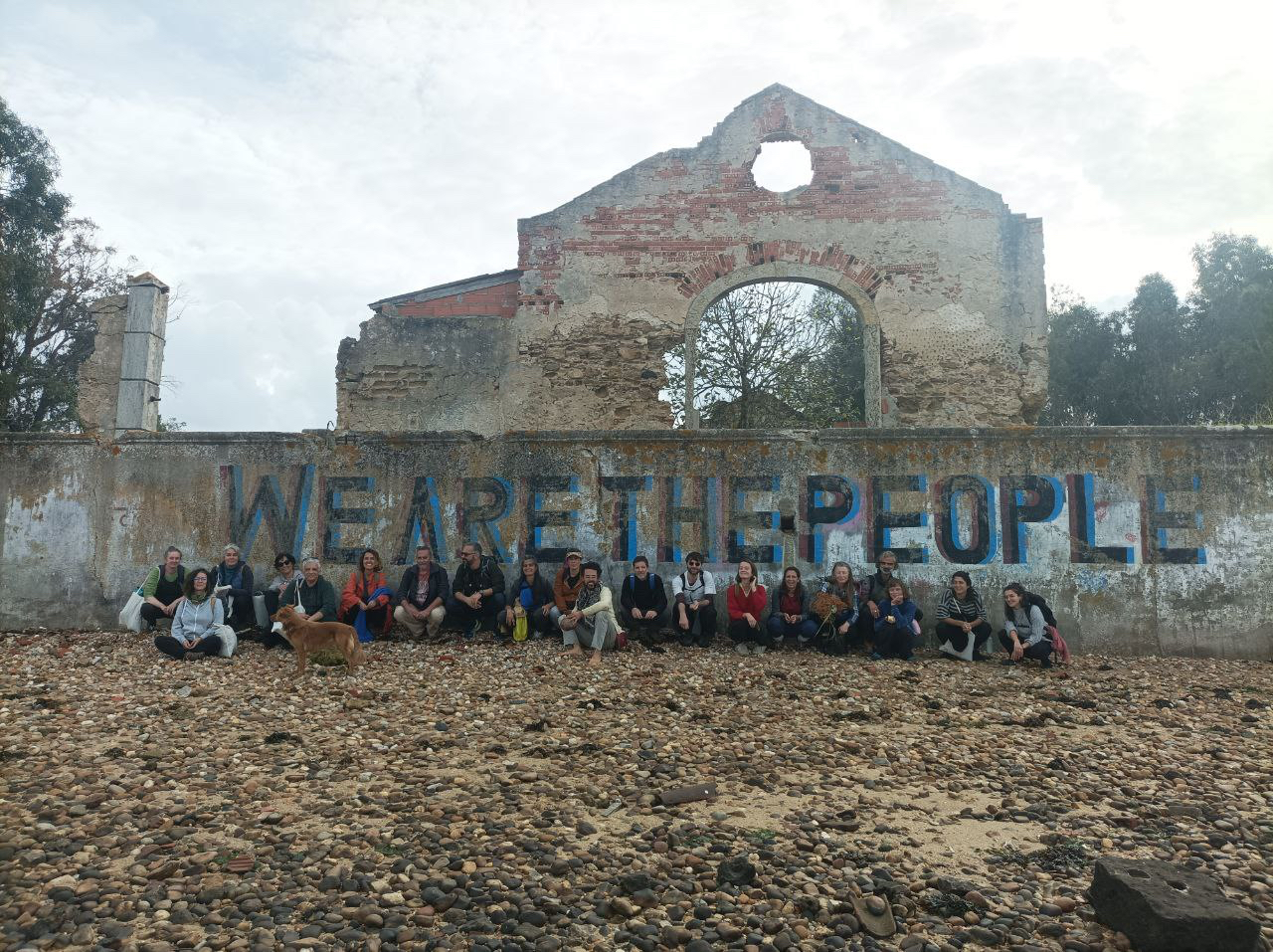
While walking for two days with the Rio Tejo, we are witnessing bodies, that are there to observe, to listen, to search, to hear, to be with. Our walking-with is a ritual that gathers things from the ecosystem as proof of evidence of our relationship. We walk to express a sense of becoming, always moving, flowing and following the streams. Walking-with is an act of accountability, a form of solidarity, unlearning and reconciling.
RIO TEJO ( 2021-2022)
RIO TEJO ( 2021-2022)
RIO TEJO ( 2021-2022)
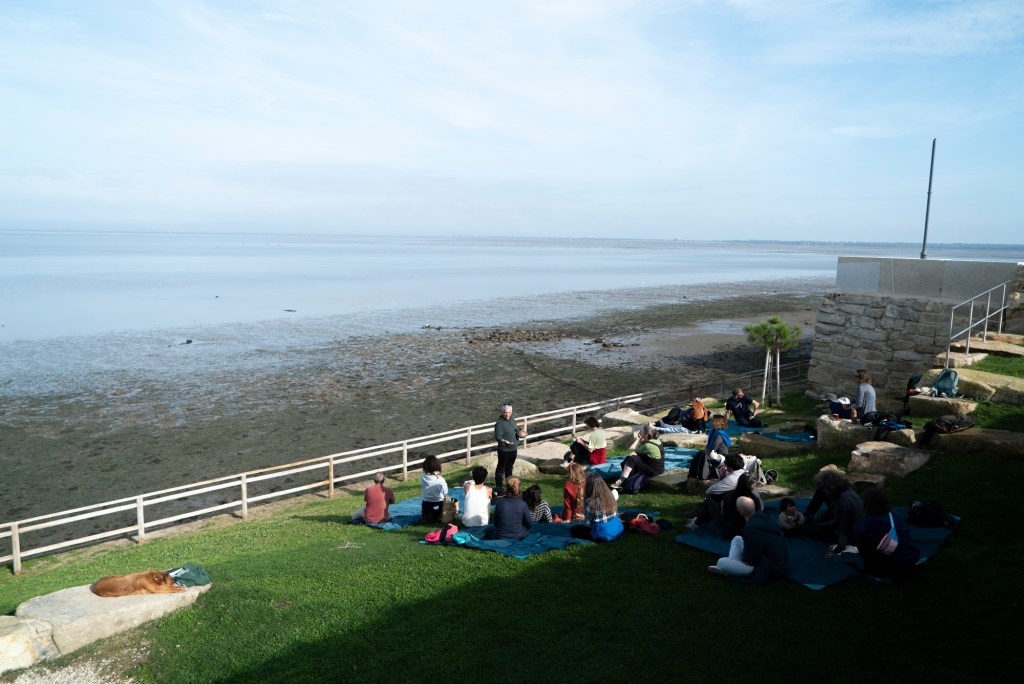
The first time we heard about a River Agora was when Jose Alves, a River Guardian employed by the government until 2004, told us that organising Agora’s was one of the actions he would use to mediate water conflicts. We want to thank the river guardians that shared their stories in our very first River Agora, at Paulo Constantino from protejo movimento, Sealand from ATERRA, José Alves, Maja Escher, Salina Greens, and Ricardo Santo alongside many other great artists, activists, scientists and curious spirits who participated in the Agora.
RIO TEJO ( 2021-2022)
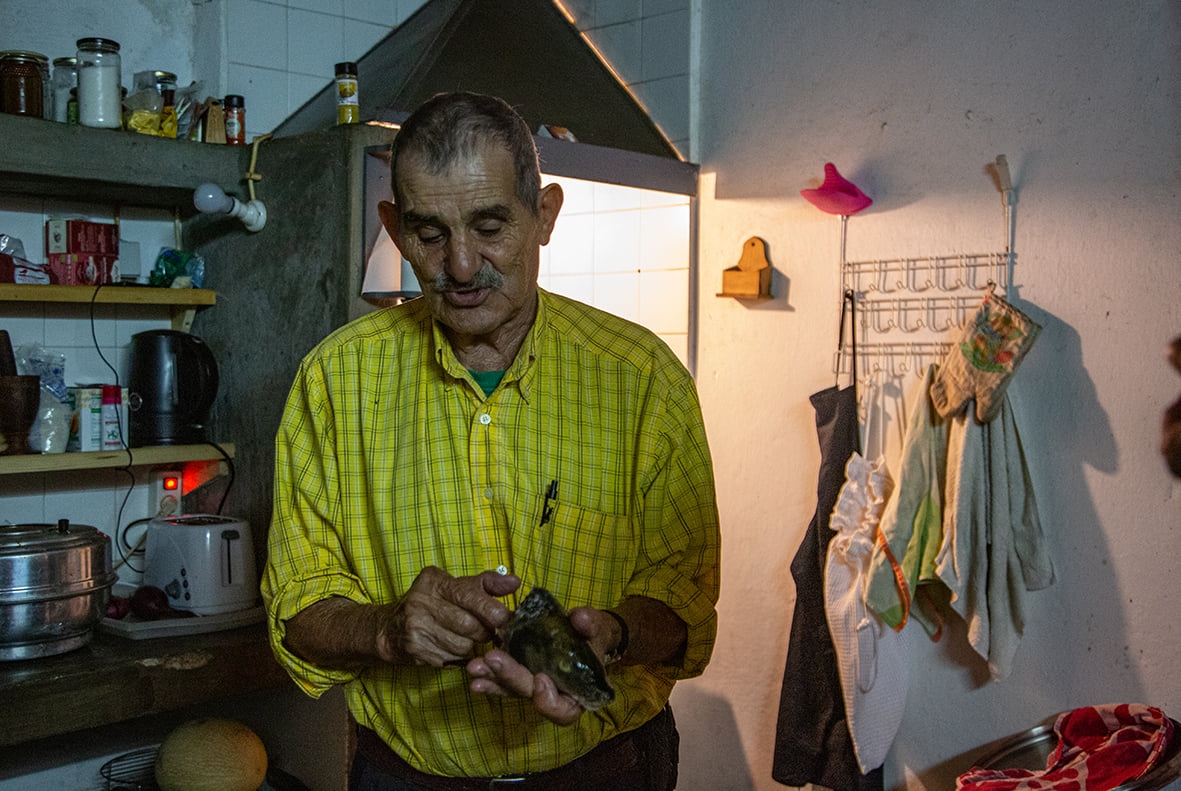
Eel stories from Tejo
Eel with Pennyroyal
Freshly caught Eel before the sunrise
3 cloves of garlic
1 sliced onion
1 chopped onion
1 bay leaf
3 small skinless tomatoes, cut in slices
1 green pepper, cut in slices
1 lemon
1 loaf old bread
1 red pepper
Salt and pepper to taste
Pennyroyal from river banks
RIO TEJO ( 2021-2022)
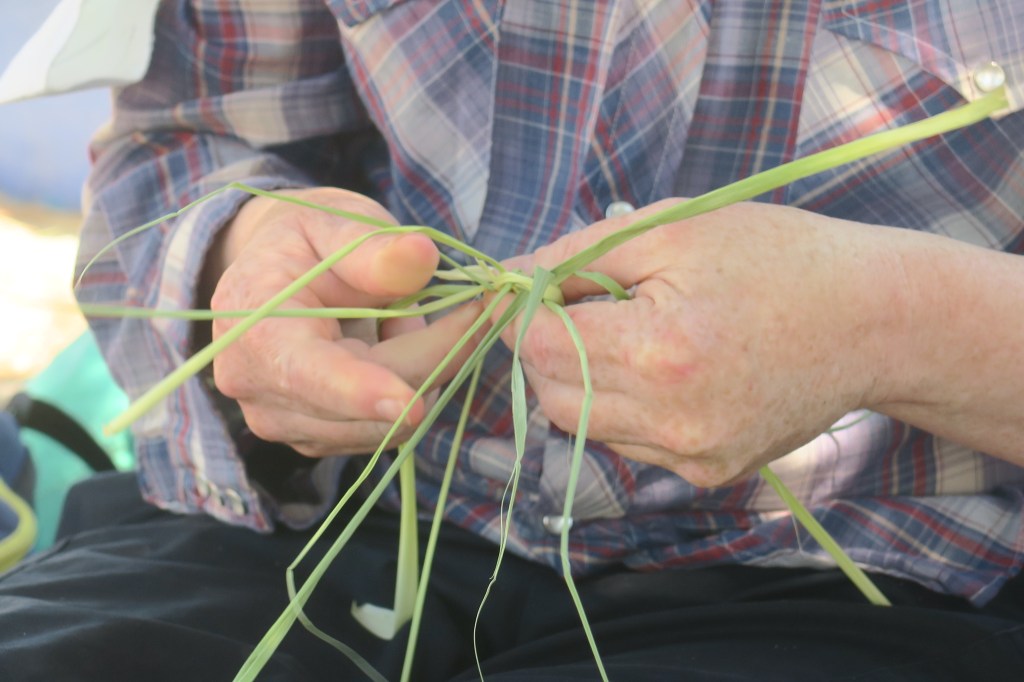
Weaving appeared very intuitively in our practice, while seating at the river banks. It appeared as a collective process and an opportunity to connect, share and listen to each other and the river. Weaving river history and sewing our stories has helped us heal, reconnect and recover memories of water.
Sebkhet Sejoumi ( 2021-2023)
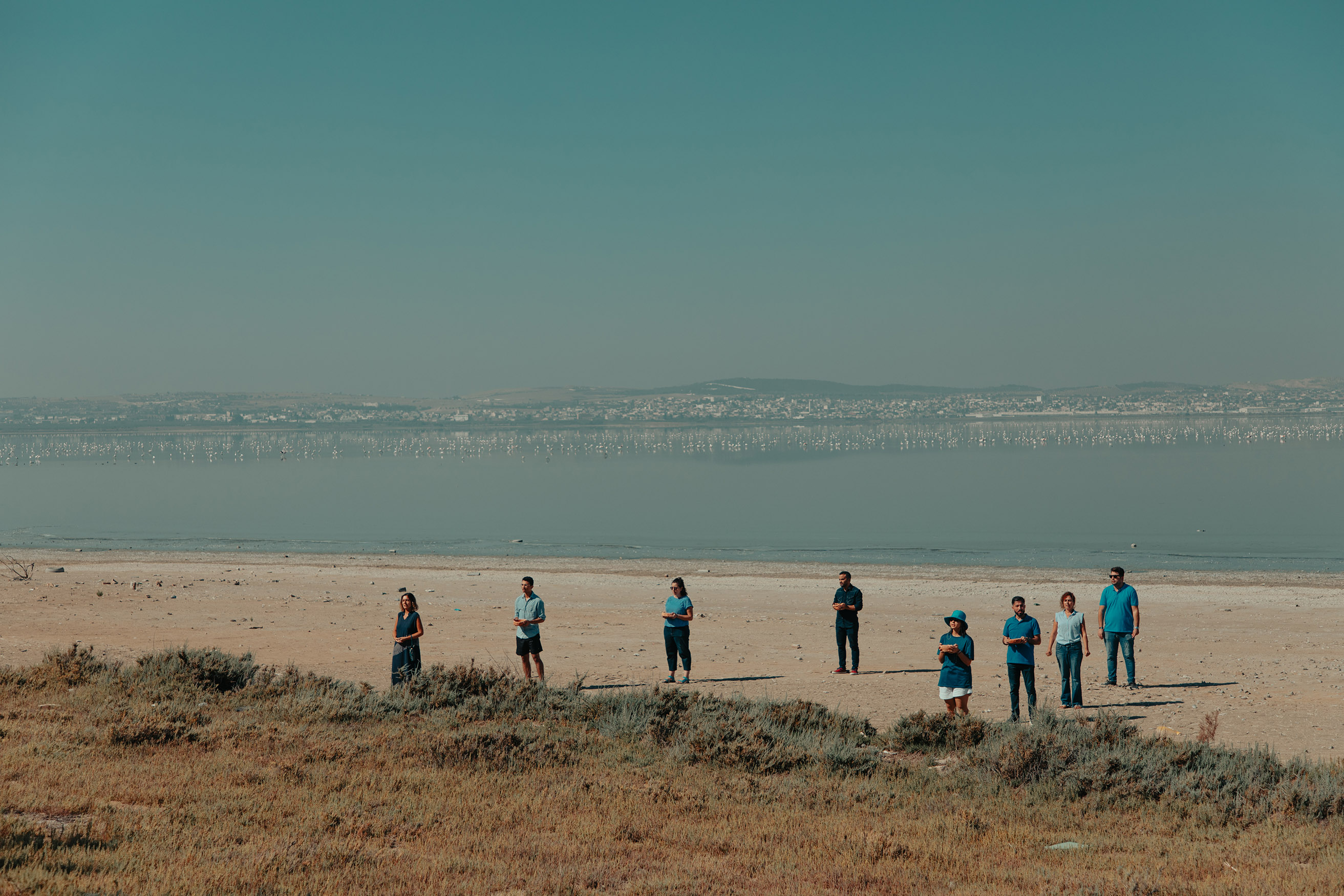
SONGS OF CARE
Lake Sejoumi
We come to you
With an offering
Lake Sejoumi
We listen to you
With our bones and songs
Lake Sejoumi
Listen to our prayers
Lake Sejoumi here we are with you
Sebkhet Sejoumi ( 2021-2023)
Clay manifesto – A tribune
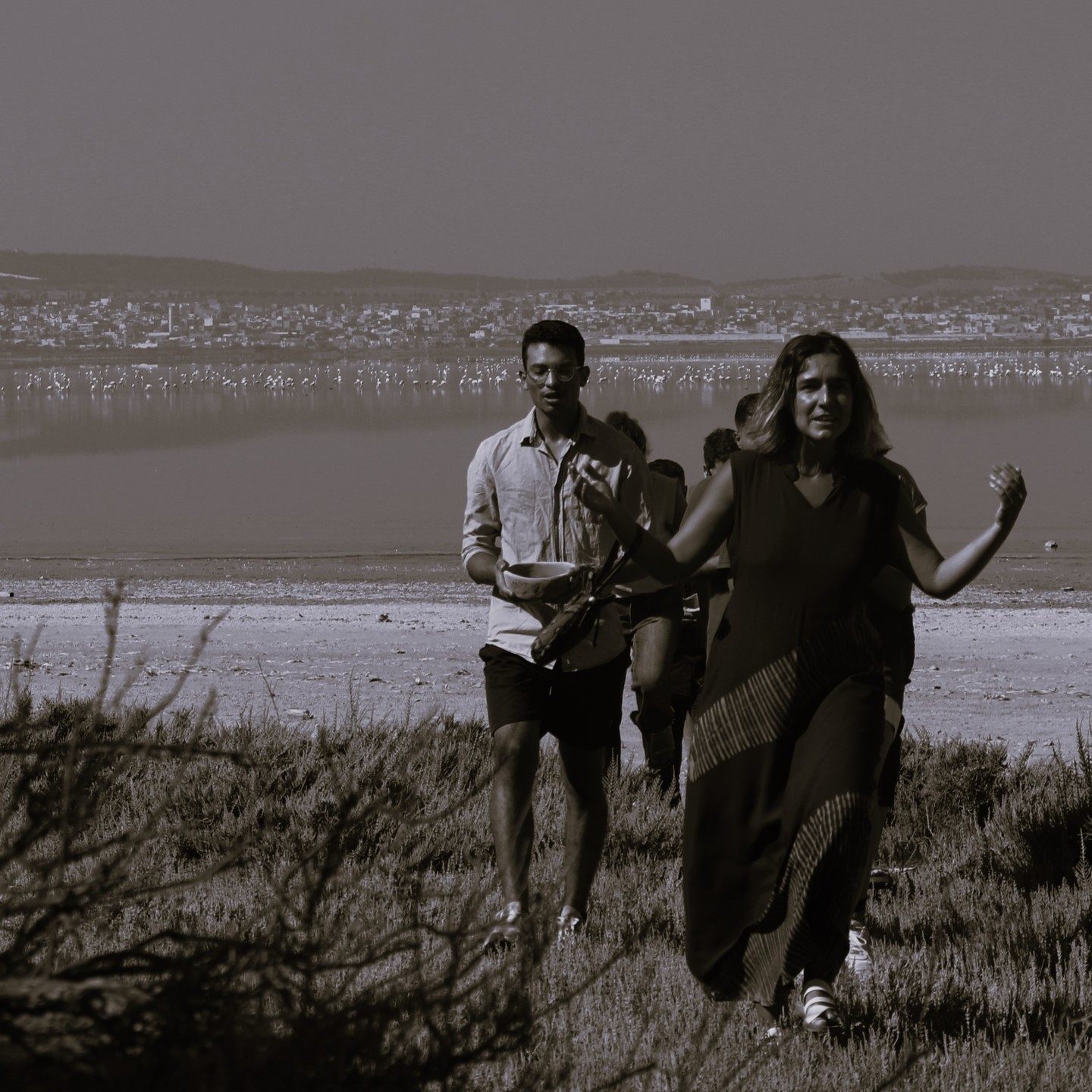
Is a moving object, that travels with us for three days around Sejoumi lake, it is a letter written by the people who care about the waters, but it is also a transformation of clay through the wet and dry lands. It is a dialogue between the clay and the landscape. Read here the complete manifesto ( only available in french)
Sebkhet Sejoumi ( 2021-2023)
Singing with and for Sejoumi, as a form of care and resistance, intertwining our voices with the voices of the landscape. Listening and reciprocating. Seeking transformation, reorganising our relationship with the water. Imagining how we can be together.
Sebkhet Sejoumi ( 2021-2023)
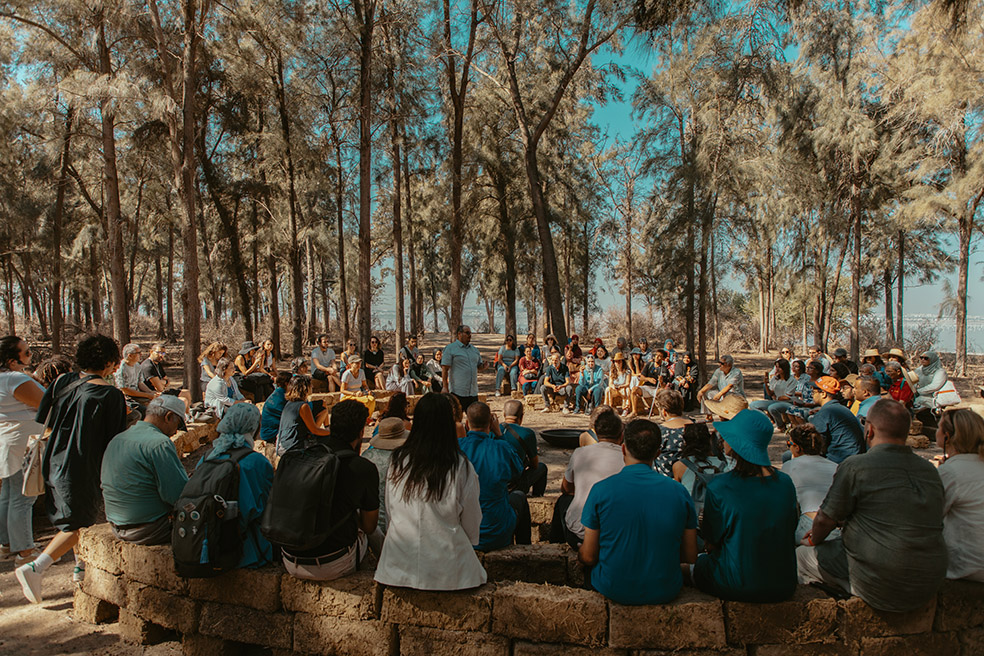
Sejoumi Guardians Agora
An encounter between citizens and Sejoumi guardians to exchange and grow alliances of of care, restoration and action, and to introduce the statement for the rights of Sejoumi.
In collaboration with lartruetunisie DreamCity festival and all the Guardians of Sejoumi: Imen Labidi (RET), Radhia Louhichi (RET), Nabila Khlifi (teacher), Nabil Aissaoui (President of Artistic Podium), Claudia Feltrup-Azafzaf (AAO), Hichem Azafzaf (AAO), Awatef Mabrouk (gender and climate change sociologist), Amira Chokri, Adel Azouni (geologist), Maher Ben Abdallah ( Urbaniste), Souhir Amamo (paysagiste) , Baligh Hamdi ( Agriculteur), Sarra Bachtouli ( eaux) Mohamed Ben Khedhiri, Nabil Essaoui (responsable of Podium Artistique à Sidi Hssine) Baha gammoudi, Dorsaf Yaakoubi and the women of Hay Hlel.
Sebkhet Sejoumi ( 2021-2023)
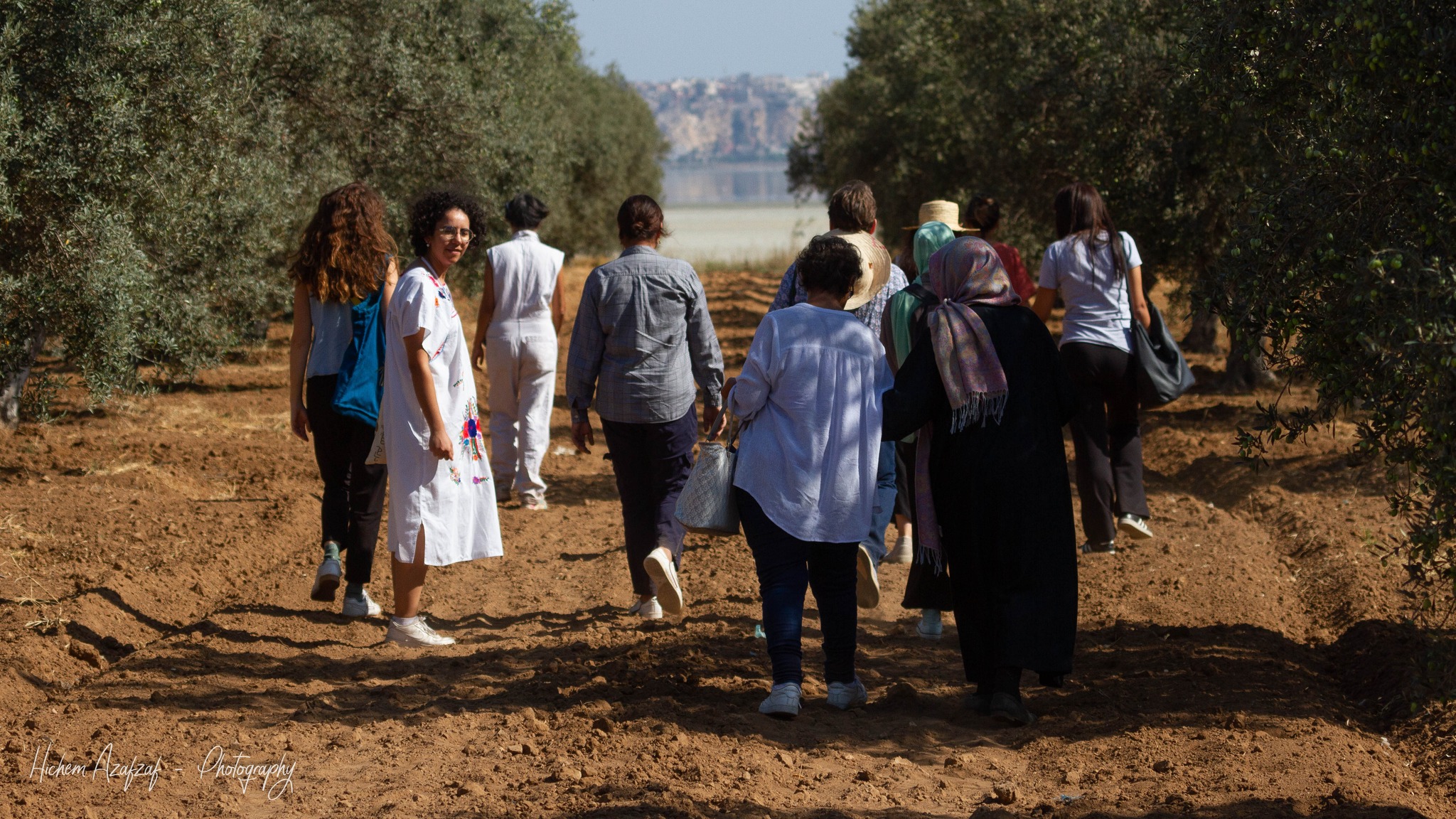
An alliance with trees – A sensorial and juridical gathering between olive trees, a fertile shelter that resisted the deep transformation of the lake, where we nourished and weaved kin alliances amongst Sejoumi allies.
Sebkhet Sejoumi ( 2021-2023)
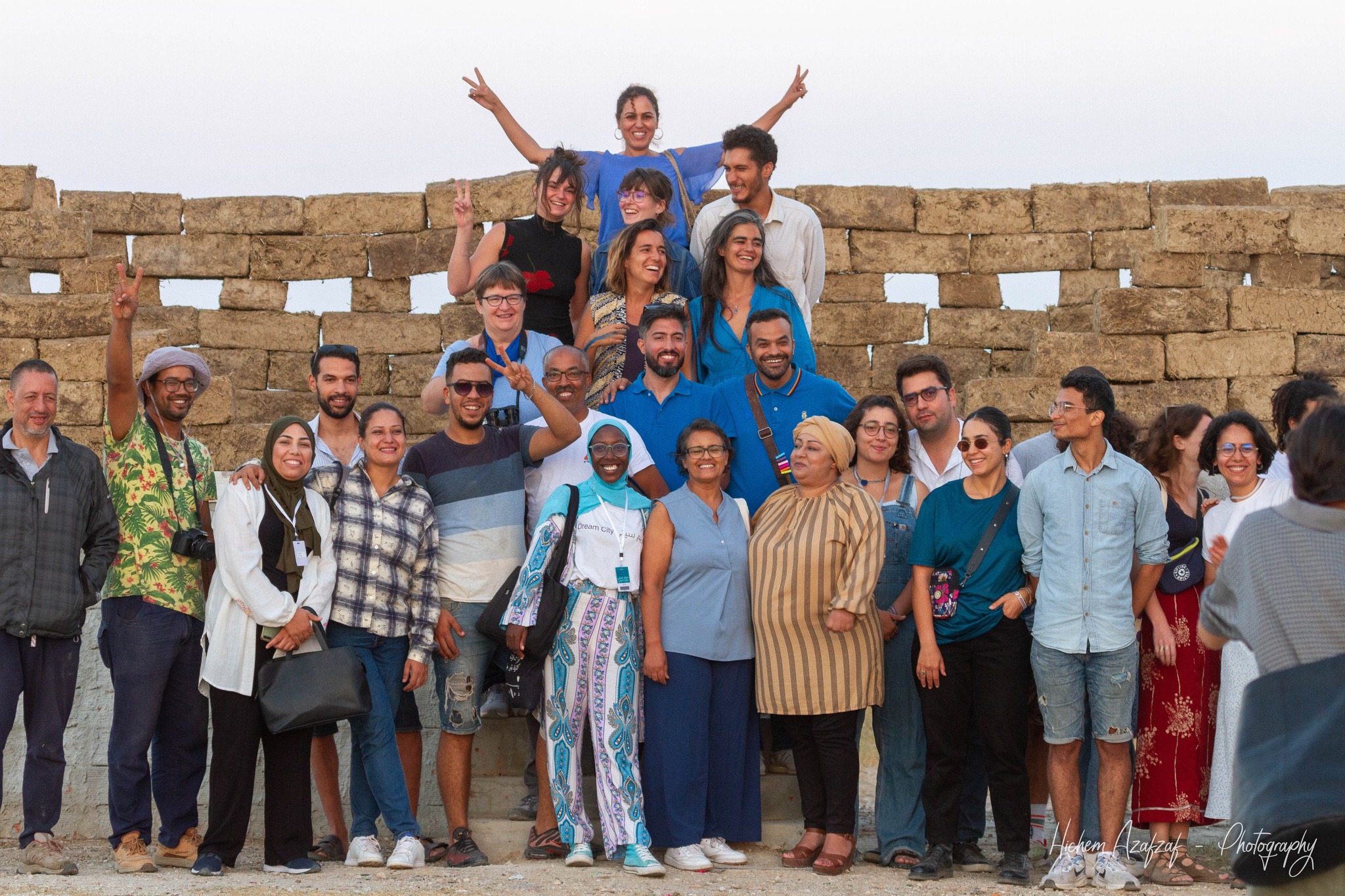
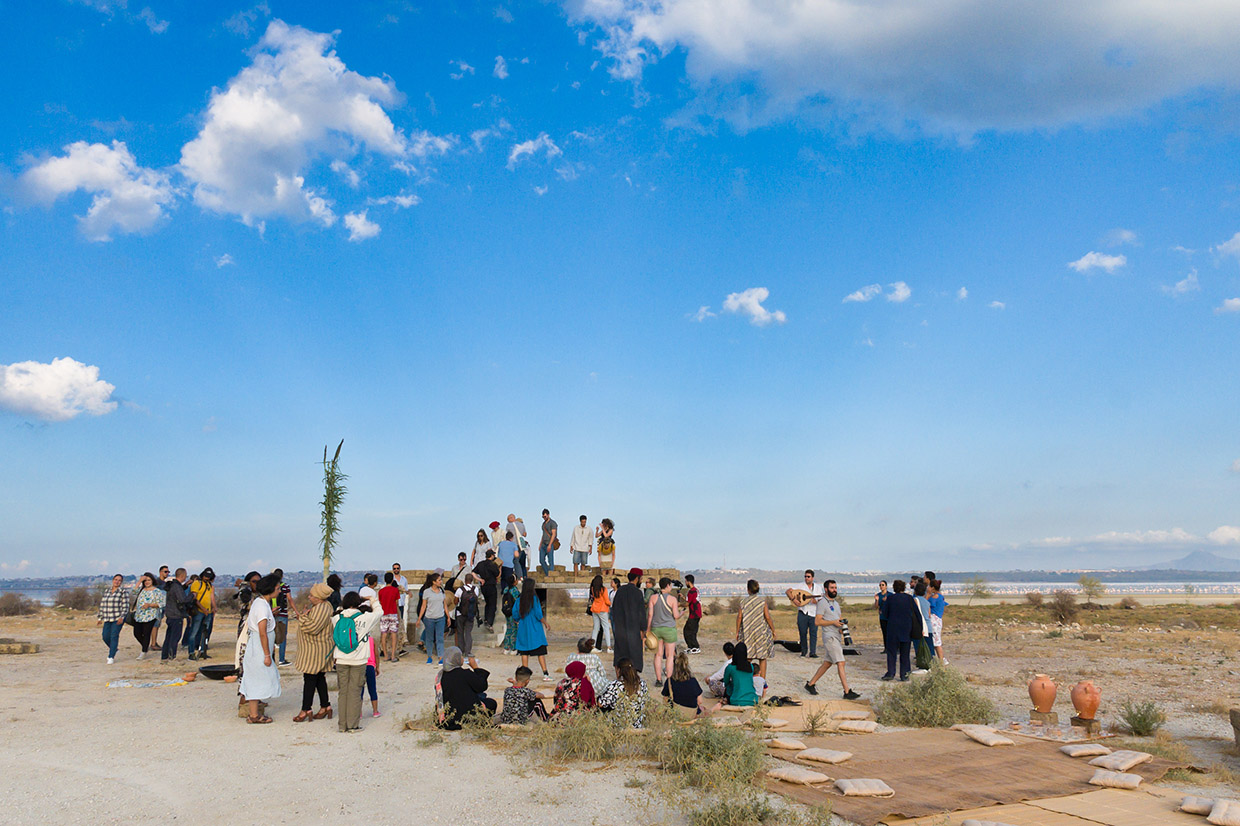
A celebratory ritual of collective building, where we posited wishes of protection and restoration in a bird observatory and sanctuary for the Sejoumi, amongst chanting songs of resistance and care.
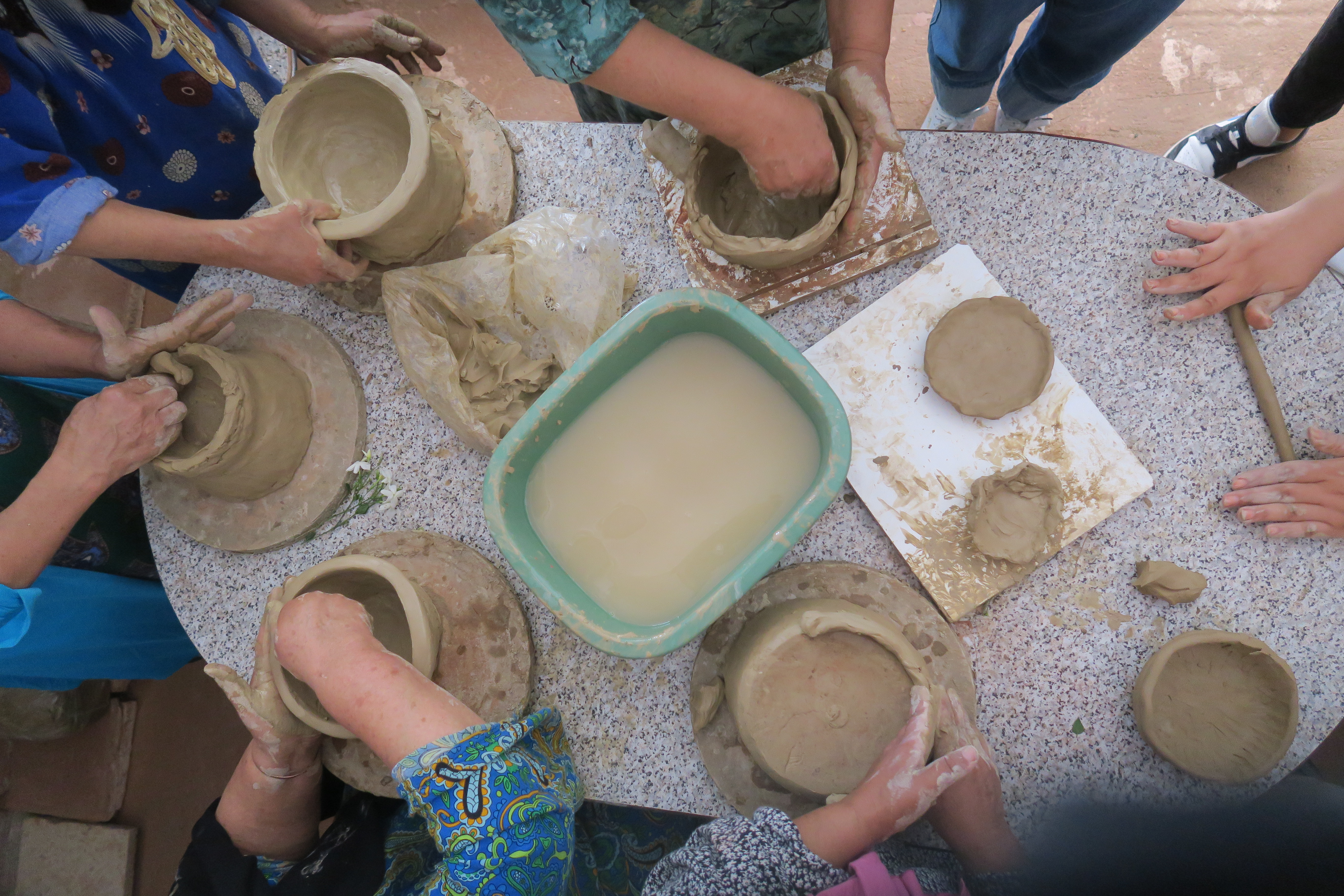
Sebkhet Sejoumi ( 2021-2023)
Clays as an ally
While having our hands wet and muddy we talk about rights of nature and women. We reflect on the species that are part of the Sejoumi waters and we remember childhood memories
 naturalcontractlab.com